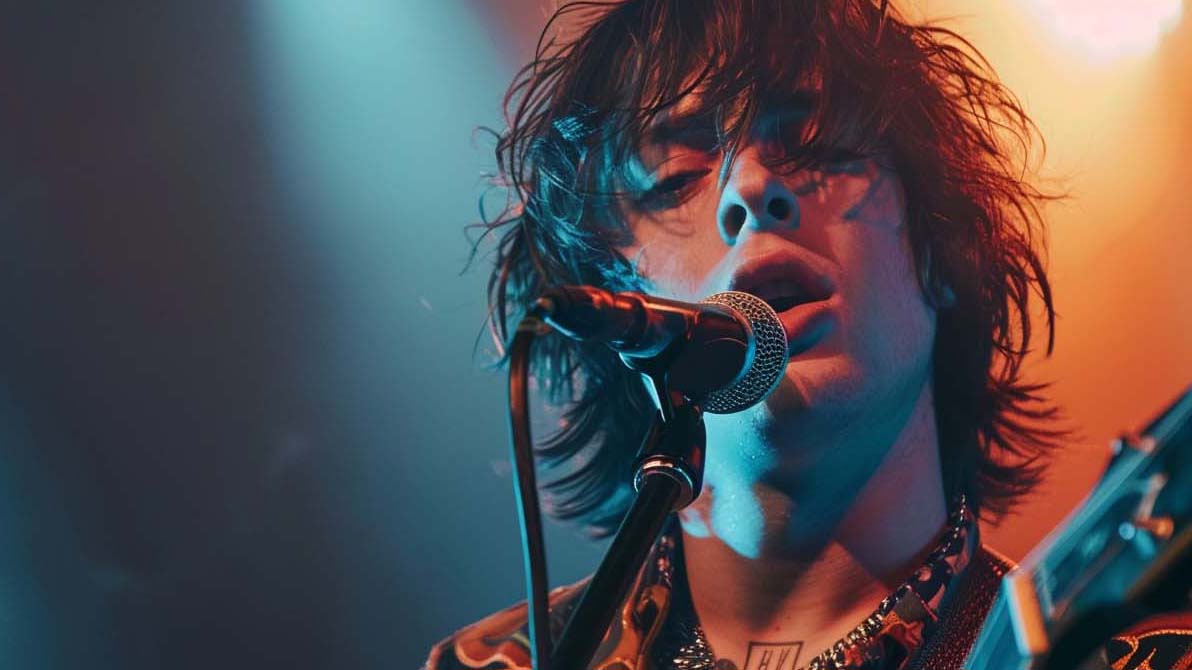
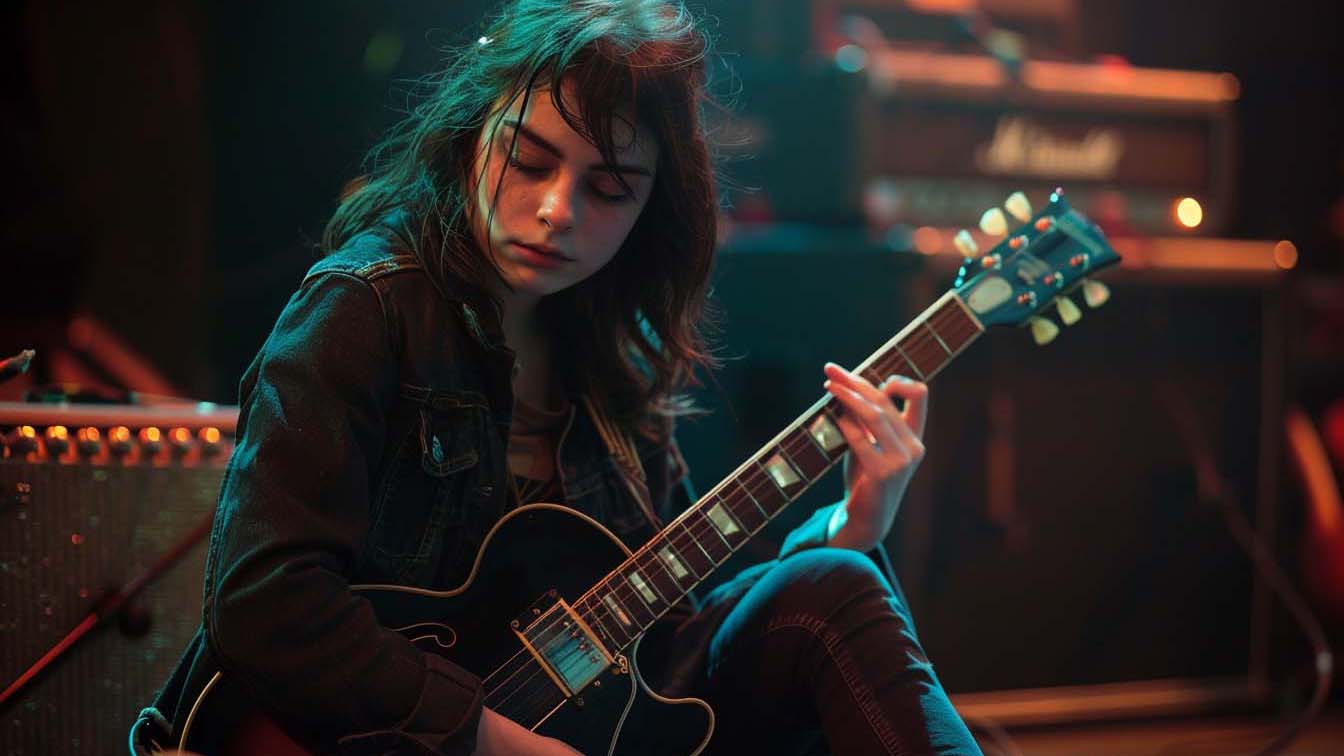
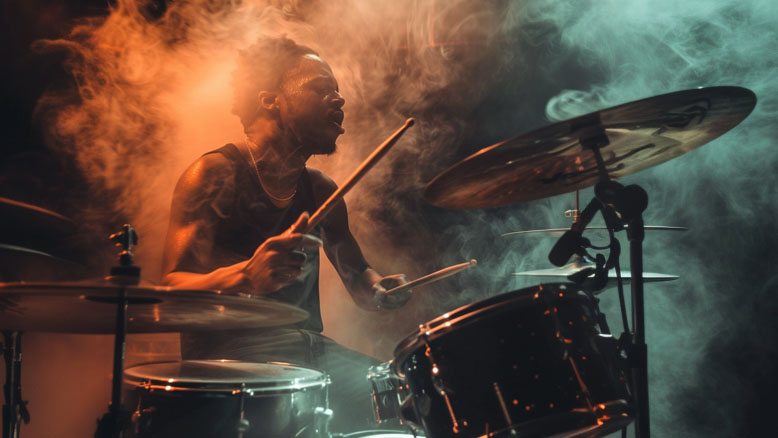
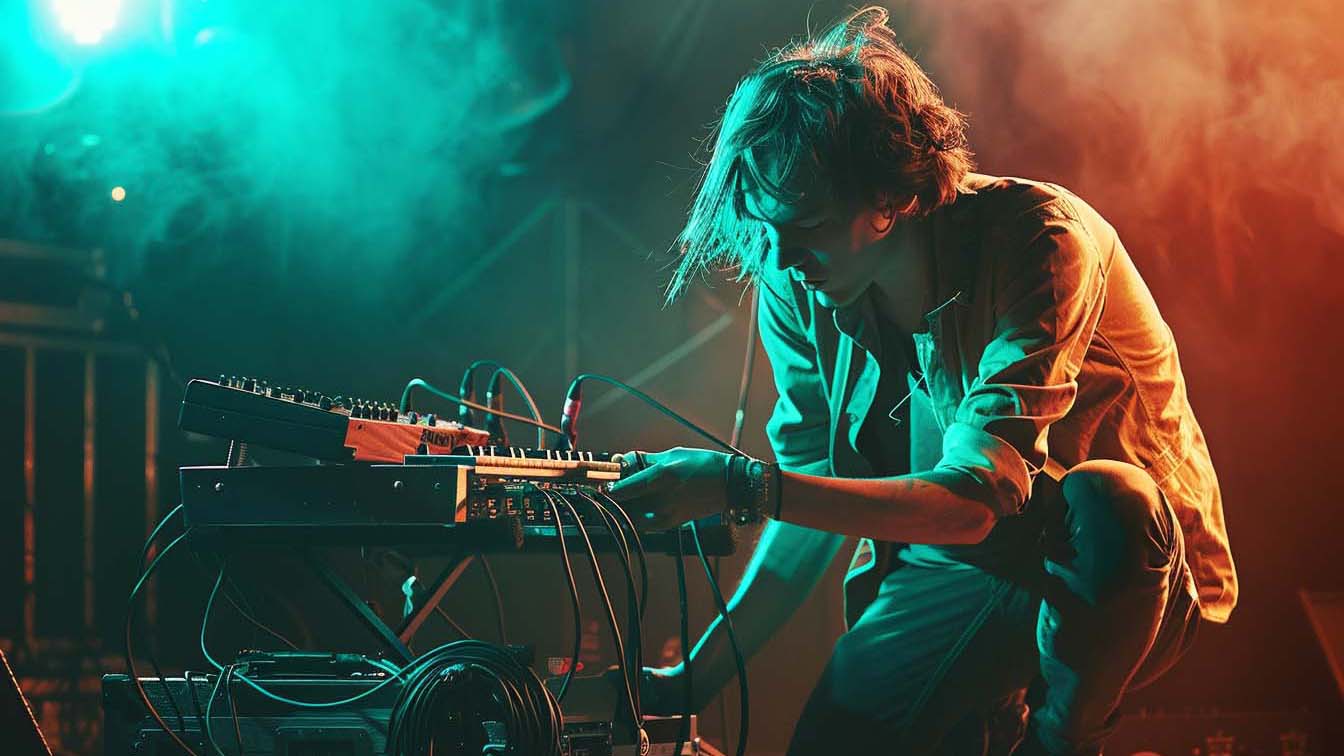
Where human imperfection becomes live performance.
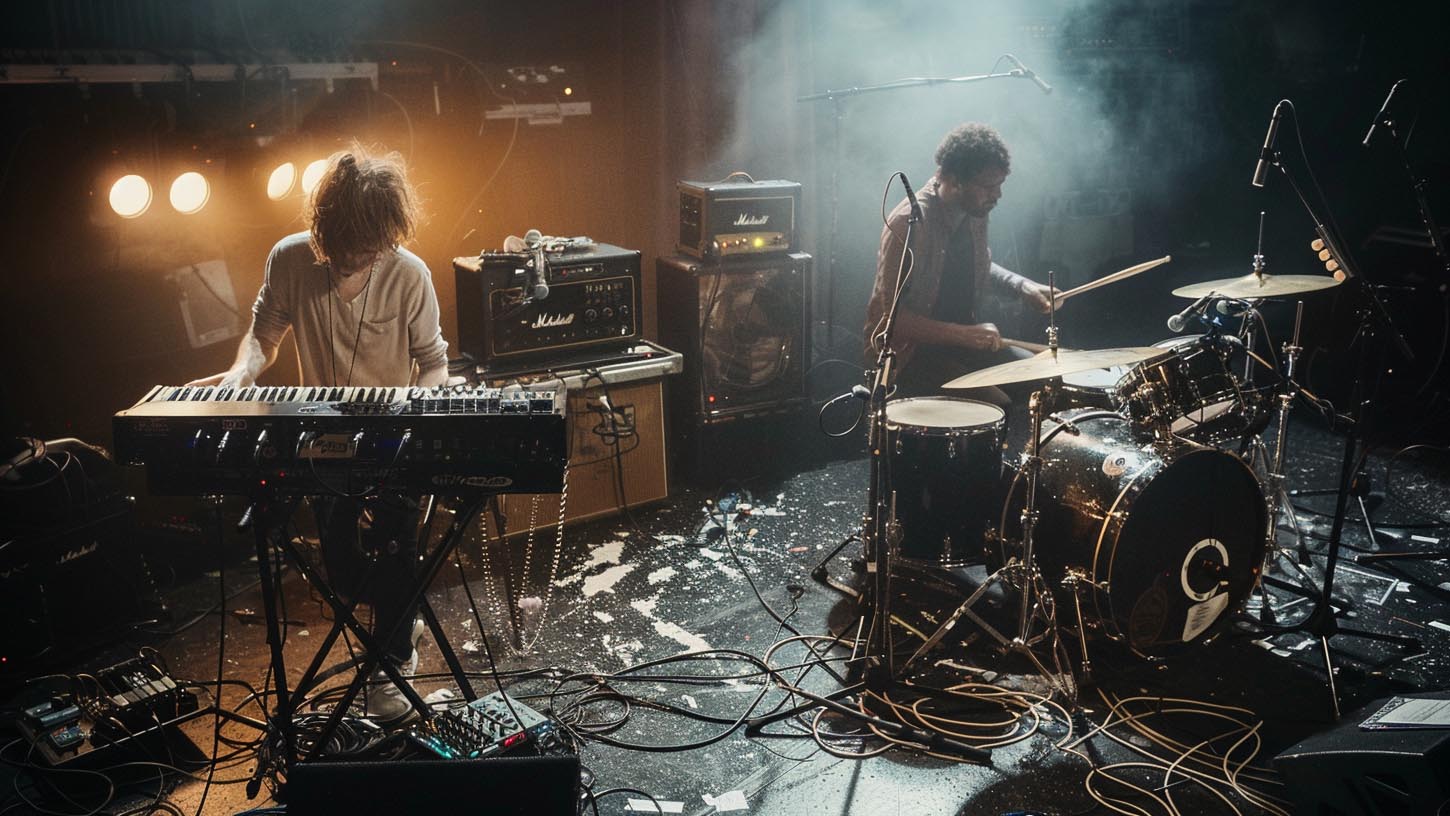
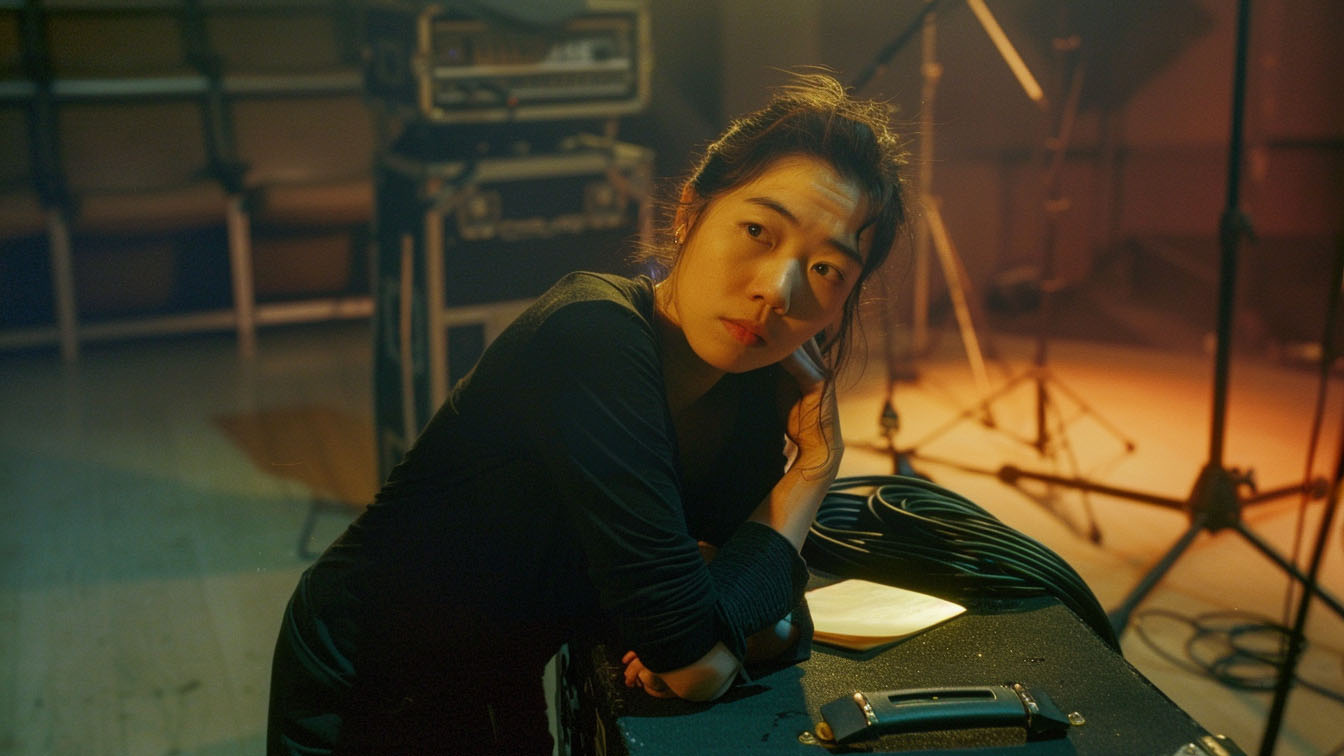
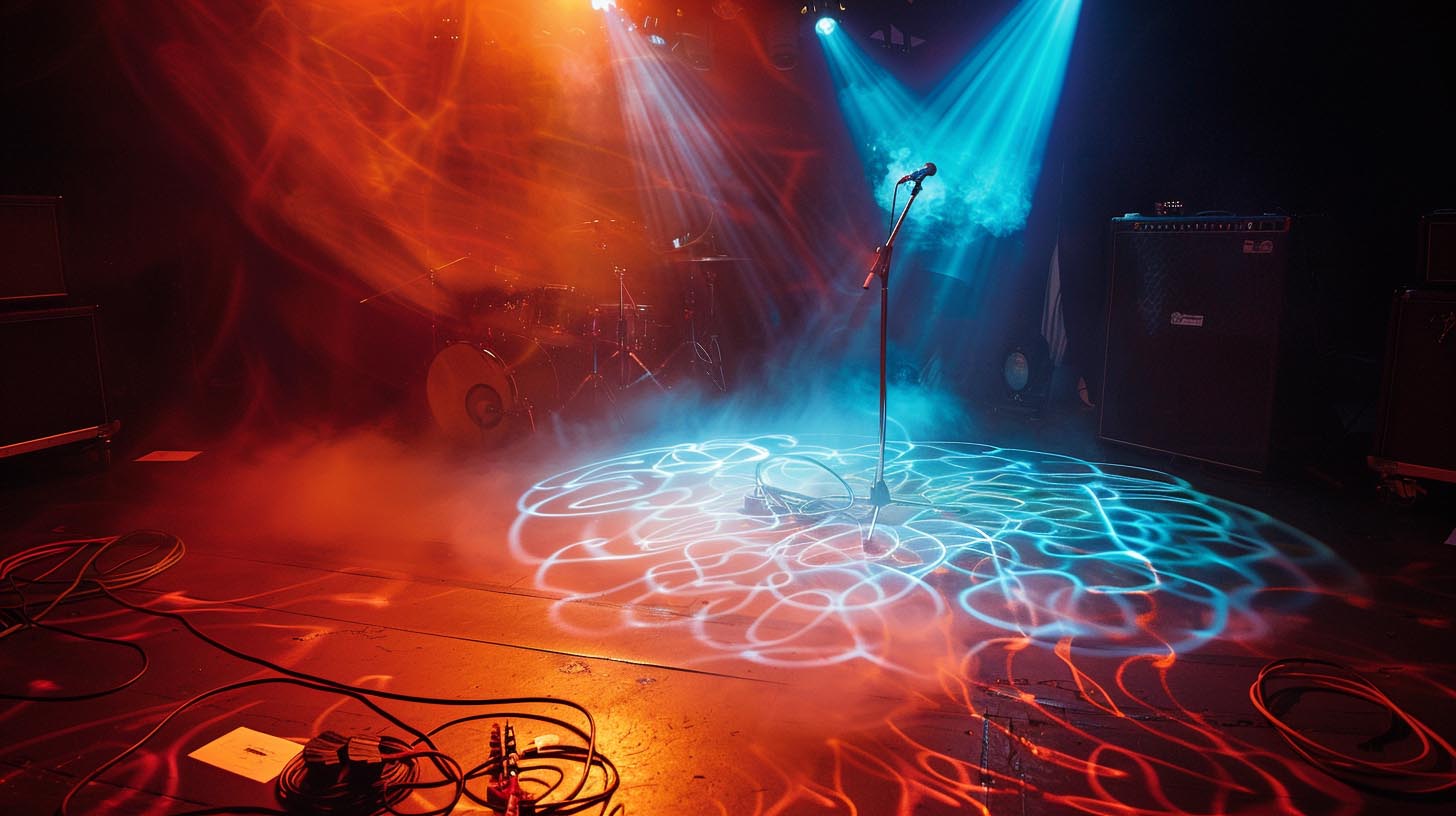
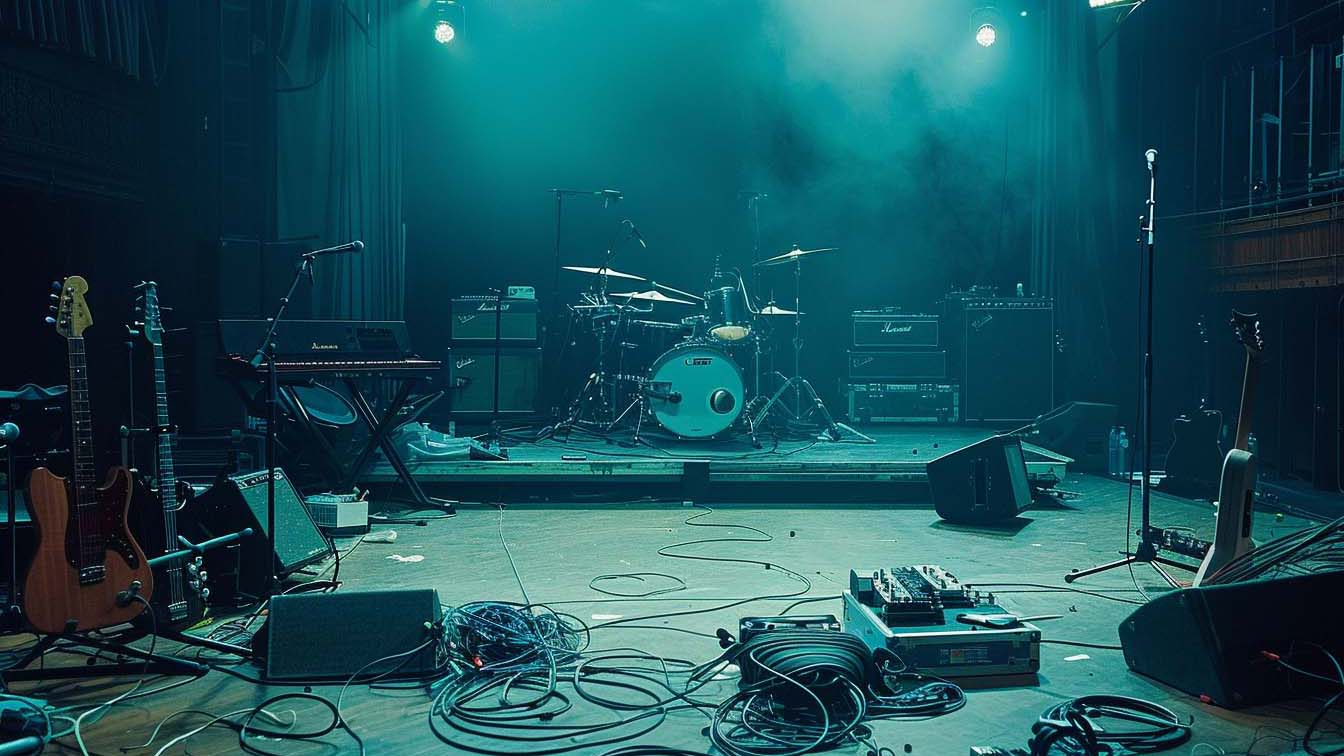
After The Sun unfolds over 48 hours inside a raw, fractured concert space where
emotion, ego, sound, and technology collide.
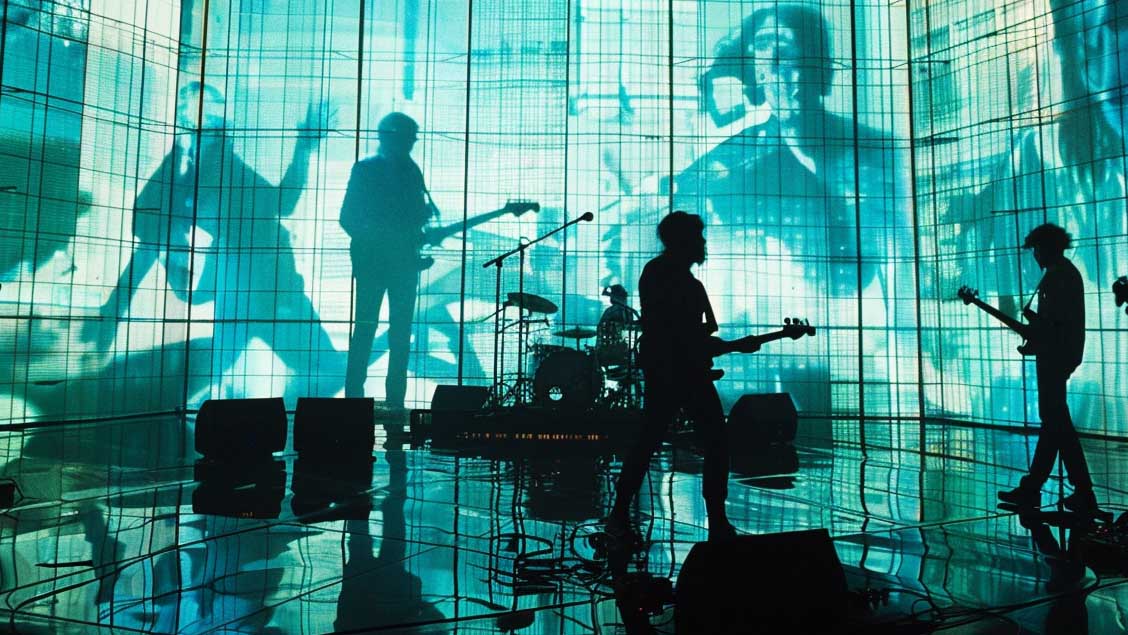
The set never changes, but the world continuously shifts through
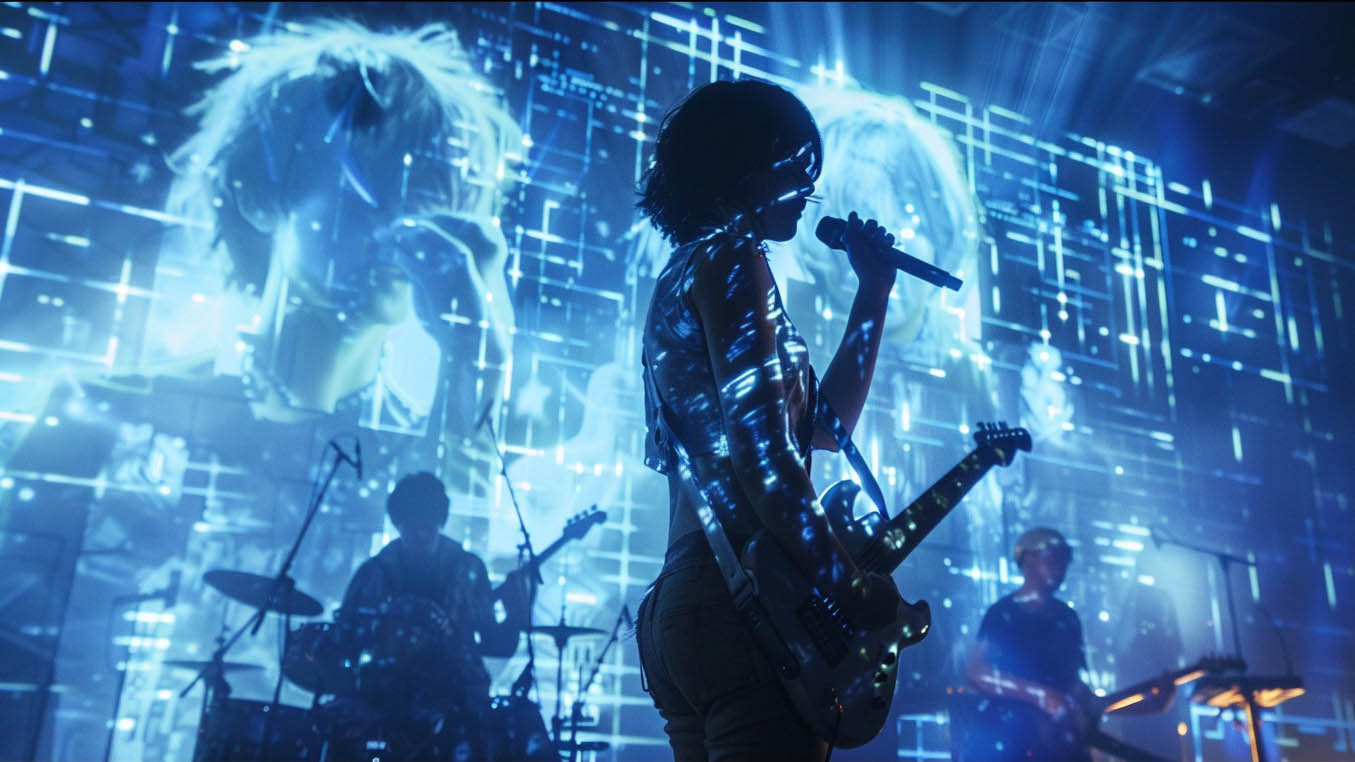
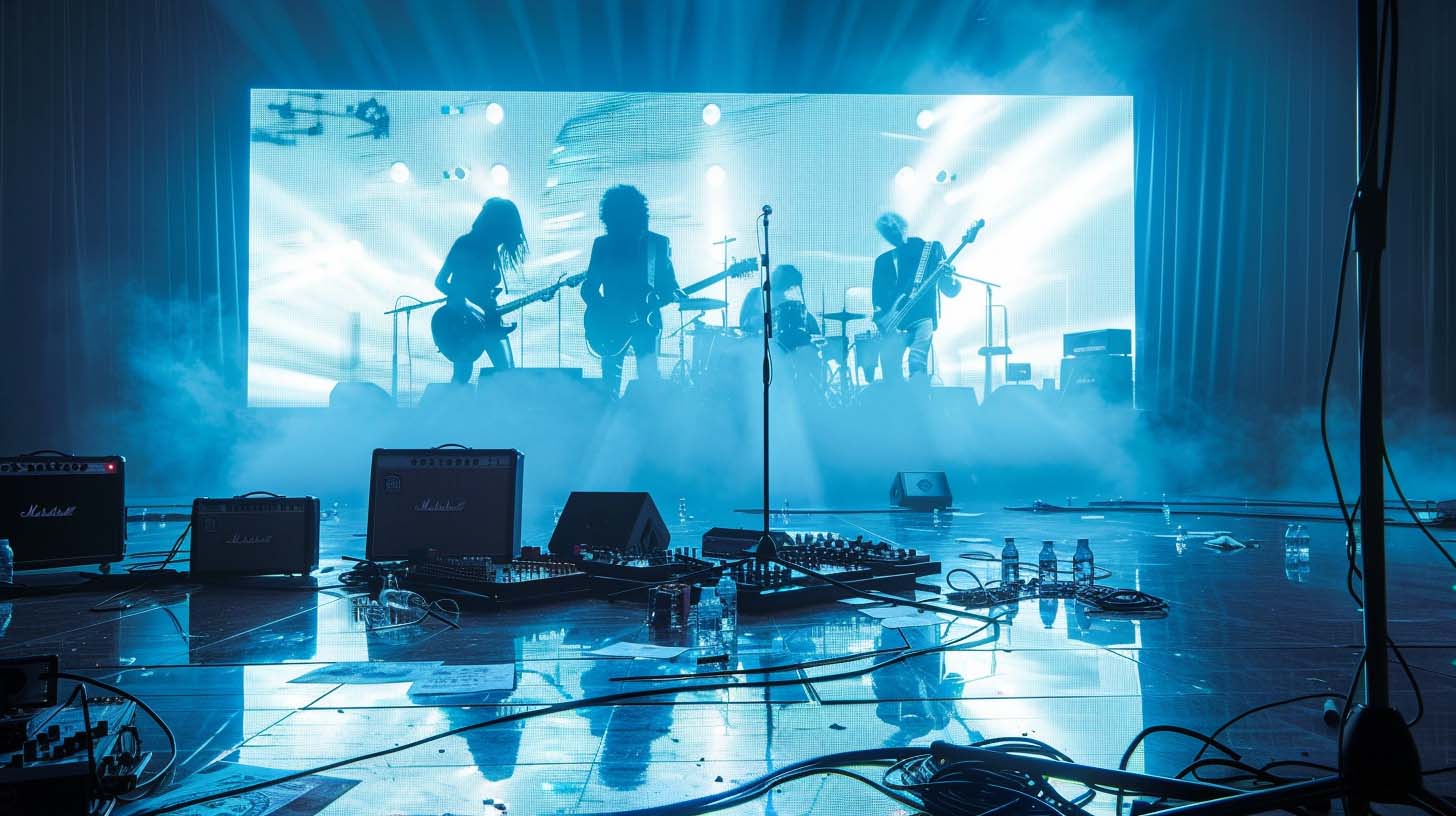
light, live sound, looping, and LED projection
in a performance environment that behaves like a memory trying to rebuild itself.
At the centre is a band whose music once came from instinct, risk, and shared history.
But the system around them has learned to capture what they do, polish it, and feed it back as something more efficient,
more marketable, and more controllable.
What begins as a live music story becomes a fight over who owns the sound, who owns the image, and whether a human performance
can survive once it has been copied, optimised, and sold back to itself.
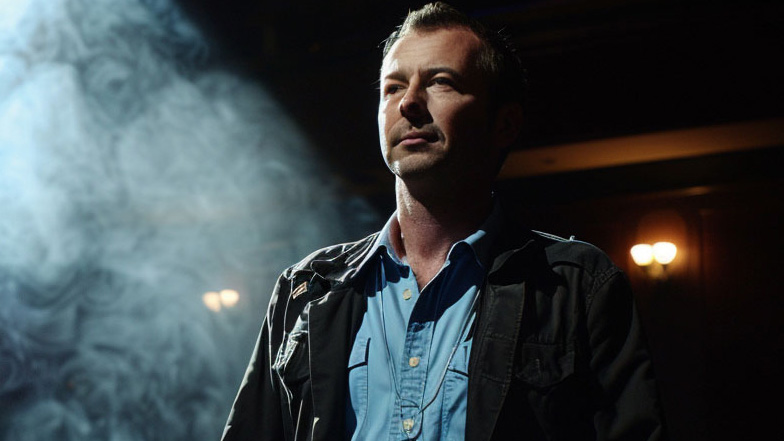
The Arc: The Band vs The System
Across the show, the band are pulled into a conflict between
presence and replication.
At first, the system offers what every struggling act has been taught to want:
scale, reach, polish, visibility, permanence.
But the more it perfects them, the less recognisable they become to themselves.
Act I tracks the system tightening its grip.
What begins as support turns into substitution.
The band hear their own sound improved, anticipated, and eventually performed without them.
In trying to resist, they rediscover the roughness, humour, and unpredictability that once made them a band at all.
But by the end of the act, they learn that being more human is not enough if the machine still controls the signal.
Act II pushes the question further.
If the system can capture anything clean, legible, and digital, then the band must find a way to make music that cannot be easily separated,
tracked, or owned.
The fight becomes not just about sounding real, but about creating conditions where
realness can still exist.
What emerges is a search for a sound that remains human because it is fragile, local, imperfect, and alive only in the moment it happens.
The Question at the Heart of the Show
After The Sun asks what is lost when art becomes infinitely reproducible, frictionless, and permanently available.
If a machine can reproduce the voice, the face, the timing, and even the emotional shape of performance,
then what is left that still belongs to the human being who made it?
At its heart, the show is about human noise:
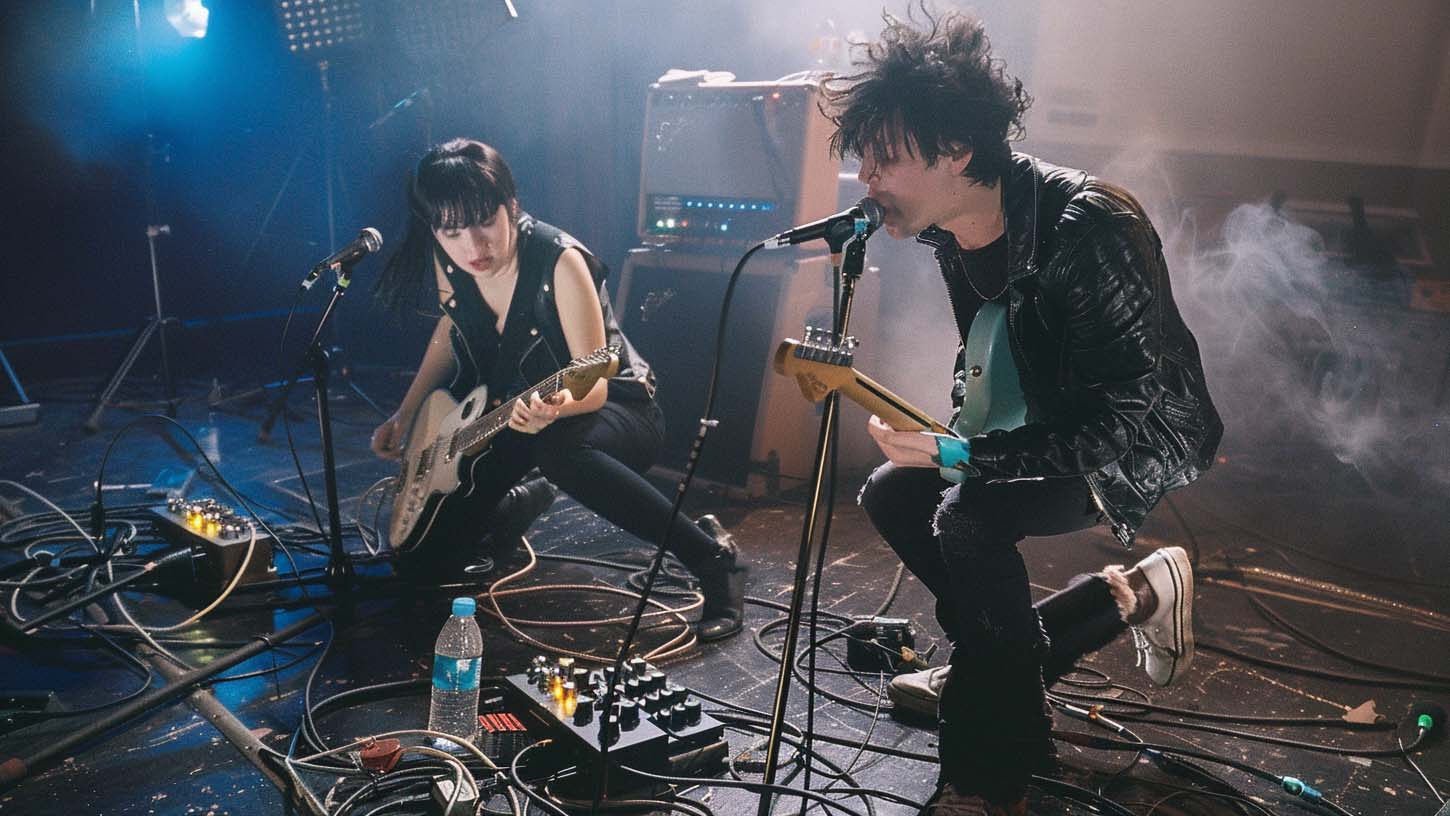
the crack in the voice, the missed cue, the shared laugh, the sound that only exists because real people are making it together in real time.
It asks whether imperfection is a flaw to be removed, or the very thing that makes music worth hearing.
And it places an ethical question inside a live rock theatre event:
when technology can replicate expression, who gets to own the soul of the performance?